

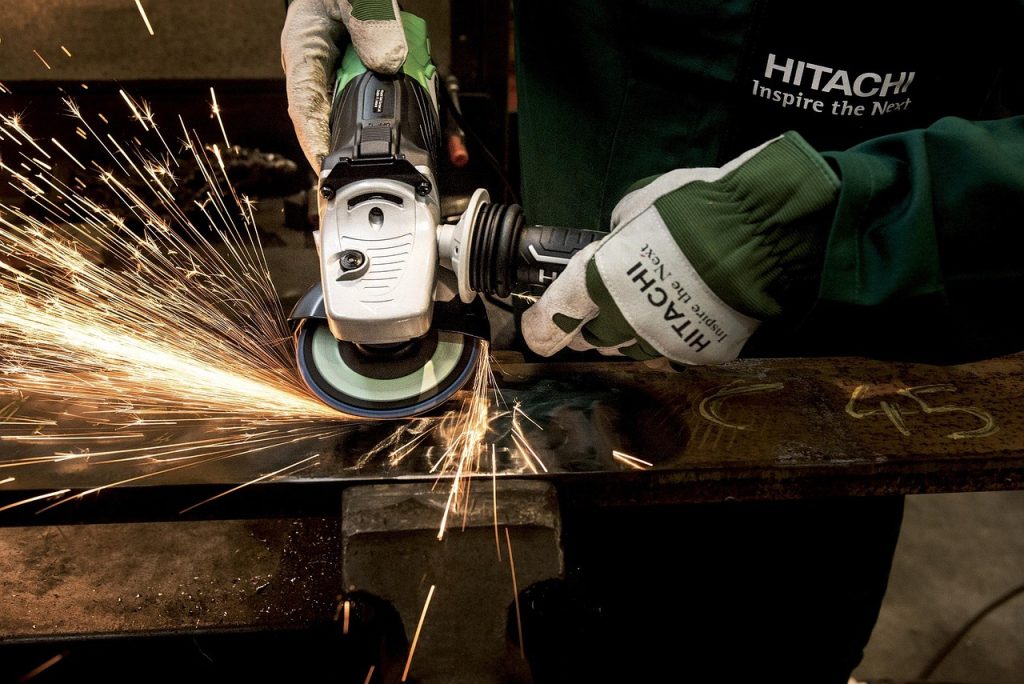
Few power tools in the workshop match the raw versatility of an angle grinder. Yet, the bare tool is practically useless without the right accessory spinning at the business end. Choosing the correct angle grinder discs makes the difference between a clean, safe cut and a ruined workpiece or a dangerous kickback accident. When you understand the nuances of each accessory, your efficiency skyrockets, and your projects achieve a professional grade finish that stands the test of time.
This guide walks you through the various options available on the market, how they work in practice, and how to pick the ideal abrasive or blade for your next project. Whether you are tackling a heavy metal fabrication job, restoring an old piece of cast iron furniture, or trimming ceramic tiles for a bathroom renovation, understanding your accessories keeps you safe and productive under demanding workshop conditions.
Understanding Angle Grinder Discs and Their Roles
Angle grinder discs are engineered to rotate at extreme speeds, often exceeding ten thousand revolutions per minute. Because of this high velocity, each disc is manufactured for a very specific task. Putting a grinding wheel where a cutting disc belongs can cause catastrophic shattering, leading to flying debris and severe injuries. Always respect the physics of rotational energy when mounting any consumable.
Manufacturers use bonded abrasives, industrial diamond segments, or hardened wire bristles to create these discs. Every design serves a distinct purpose, from removing thick structural welds to polishing delicate stone edges. Knowing what goes into each disc helps you respect the tool and choose wisely for your safety. For instance, the bonding agents holding the abrasive grains together are formulated to break down at a controlled rate, exposing fresh cutting edges as the old ones wear away during heavy operational use.
Main Types of Angle Grinder Discs
Your local hardware store likely stocks a dizzying array of circular accessories. Breaking them down by category helps clarify which one belongs on your spindle for any given task.
- Cutting discs are exceptionally thin, usually measuring around one millimeter to three millimeters, designed to slice cleanly through steel rebar, threaded bolts, and sheet metal without twisting or binding in the kerf.
- Grinding wheels are much thicker, typically a quarter-inch, and feature reinforced fiberglass webs. They are built to take the brunt of heavy stock removal, beveling plate edges, and rapid weld blending.
- Flap discs consist of overlapping abrasive flaps that wear away gradually, offering a much smoother transition and finish on metal and wood than a rigid grinding wheel can ever provide.
- Diamond blades feature industrial diamond particles embedded in a metal rim, making quick work of concrete, brick, ceramic tile, and natural stone by grinding the material away rather than chipping it.
- Wire wheels and cup brushes utilize twisted or crimped steel bristles, perfect for stripping rust, scale, old paint, and stubborn corrosion off metal surfaces without gouging the base material.
- Surface conditioning discs, often made of non-woven nylon webbing infused with abrasive grit, excel at cleaning up aluminum, stainless steel, and preparing surfaces for painting or welding.
How to Choose the Right Size and Specification
Never force a disc onto an angle grinder that is not rated for its specific size. Using a four-inch disc on a massive nine-inch grinder is inefficient, while forcing a large disc onto a small tool usually means removing the safety guard—a severe hazard that exposes you to direct injury if the wheel fails.
- Match the disc diameter directly to your angle grinder’s rating, most commonly four and a half inches for DIY work, five inches for heavy residential tasks, and seven or nine inches for industrial fabrication sites.
- Check the maximum RPM rating printed on the disc label and ensure your specific grinder model does not exceed that rotational speed under any circumstances.
- Select the correct arbor hole size, ensuring the disc fits snugly onto the threaded spindle without any dangerous play, excessive wiggle room, or off-center wobbling.
- Evaluate the material hardness you are cutting; softer aluminum requires different bonding agents than hard tool steel to prevent the disc from prematurely loading up with metal debris.
Best Practices for Safe Operation
Even the highest quality angle grinder discs can fail if handled carelessly. Safety gear is non-negotiable every time you pull the trigger and spool up the motor.
- Always wear impact-resistant safety glasses, a full face shield, heavy leather work gloves, ear protection, and a dust mask or respirator before starting the motor.
- Inspect every single disc carefully for hairline cracks, chips, dampness, or storage damage before mounting it, discarding anything that looks even slightly compromised.
- Allow the grinder to reach full operational speed in the open air before gently applying the edge or face to your material, avoiding sudden impacts that can shatter the abrasive matrix.
- Keep your body stance balanced and stable, holding the grinder with both hands to maintain absolute control in the event of a sudden pinch or kickback.
- Never grind on the side of a standard thin cutting disc, as lateral pressure can cause the fragile wheel to explode violently.
Frequently Asked Questions
Can I use a metal cutting disc on concrete?
No, you should never use a standard metal cutting disc on masonry materials. They will wear down instantly, overheat from friction, and risk shattering under the structural stress.
Why do flap discs cost more than standard grinding wheels?
Flap discs offer a dual benefit of removing heavy material rapidly and simultaneously smoothing the surface to a finer finish, saving you an extra step and extra consumables in your workflow.
How do I know when to replace a worn disc?
Replace cutting or grinding discs once they reach the expiration date stamped on the face, if they show deep gouges, or if they have worn down significantly past their effective diameter, making them difficult to control.
Mastering Your Cuts and Finishes
Taking a little extra time to select the proper angle grinder discs protects your personal safety and dramatically improves the structural and aesthetic quality of your finished work. Treat your power tools with respect, match the specific accessory to the exact material at hand, and always let the rotational speed do the heavy lifting rather than forcing the tool with your body weight. With the right setup in hand, you are ready to tackle your workshop and construction projects with absolute confidence and professional results.